

 ClikPick
 Find Programs
 Top Universities
 ClikPick
 About Us
 Career
 Blogs
Blogs Scholarships


What is the Full Form of DBA? Complete Guide for 2026

Doctorate • Mon Jun 15 2026
Introduction
Many professionals are looking to move beyond daily tasks and transition into strategic-level roles. As industries become more complex, professionals need expertise in management, leadership, and research becomes essential for long-term growth. This is where DBA programs. This is where advanced DBA programs helps experienced professionals to advance their careers.
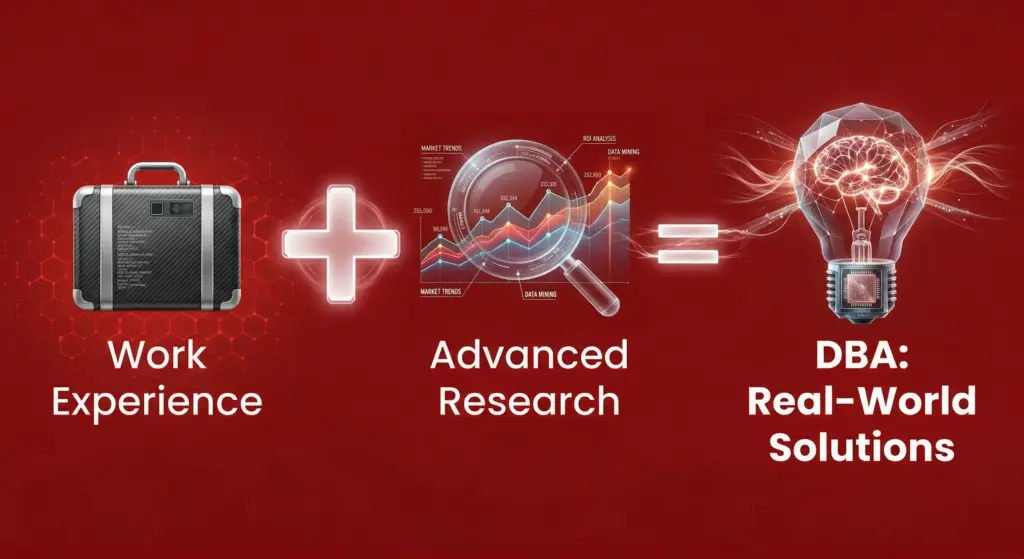
A Doctor of Business Administration (DBA) is a doctoral-level program that focuses on applying research to real-world business challenges. It is designed for professionals who want to expand their strategic thinking and leadership capabilities.
This blog will help you to explore the full form of a DBA degree and all the important aspects connected with this degree.
Overview of the DBA Degree in 2026
The table below summarises the DBA program:
| Course Name | DBA |
| Full Form | Doctor of Business Administration |
| Duration | 2 - 5 years |
| Eligibility | Master’s degree in a related domain and work experience |
| Common Subjects | Advanced Management Theory, Innovation Management, Organisational Behaviour, Strategic Leadership, Research Methodology, |
| Top Universities offering DBA | Golden Gate University, Swiss School of Business Management, Rushford Business School, Edgewood University, ESGCI Paris and more. |
| DBA Fees in India | INR 5,00,000 to INR 25,00,000 |
| Top Job Roles | Management Consultant, Business Analyst, Business Strategy Director, Professor, Corporate Research Director, CEO, Entrepreneur, CSO |
| Top Recruiters | Deloitte, PwC, EY, KPMG, Amazon, IBM, Accenture, Wipro, World Bank, IIM Ahmedabad and many more. |
What is the Full Form of DBA?
DBA stands for Doctor of Business Administration. It is a professional doctoral program focused on advanced applied business research. Strengthen your leadership, decision-making, and analytical skills with DBA. It will enable you to contribute new insights to the business world.
Types of DBA Program
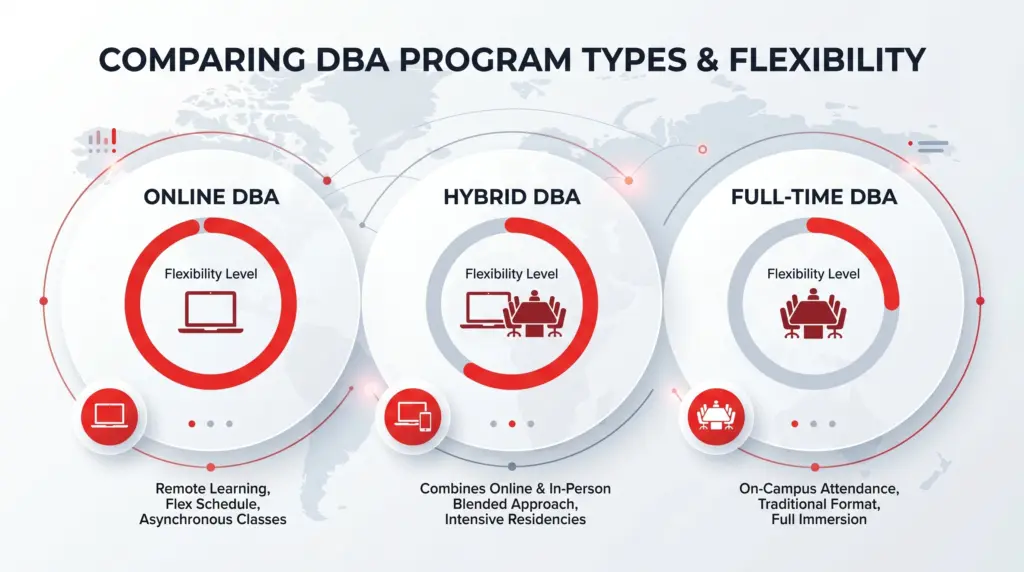
The different types of DBA programs suit the needs of professionals at various career stages. You can choose a program based on your preferred learning mode, flexibility, and career goals. Choosing the right DBA program can help you tailor your learning experience that matches your professional goals. The common types of DBA programs are as follows:
Online DBA
Online DBA allows you to complete coursework and research remotely. The program is ideal for you if you want to advance your skills while continuing to work. It offers flexibility through online classes, live lectures, and e-study materials. This allows you to balance your studies with your professional commitments. You can directly apply your research to the workplace while pursuing an online DBA.
Hybrid DBA
A Hybrid DBA program combines online learning with on-campus sessions. The research and coursework are conducted online, while you can attend in-person workshops and seminars at the campus. You can enjoy both, remote learning, and physical interaction in hybrid DBA programs.
Integrated Doctoral Programs
Integrated doctoral programs combine master’s level coursework with doctoral research in a single program. After completing the master's degree, you can directly enter the doctoral program without going through the admission process again. These programs are ideal for you if you want a structured path to a doctoral degree without exploring multiple options. This structure helps you develop advanced research expertise through interaction with experienced researchers.
Eligibility Criteria for DBA in 2026
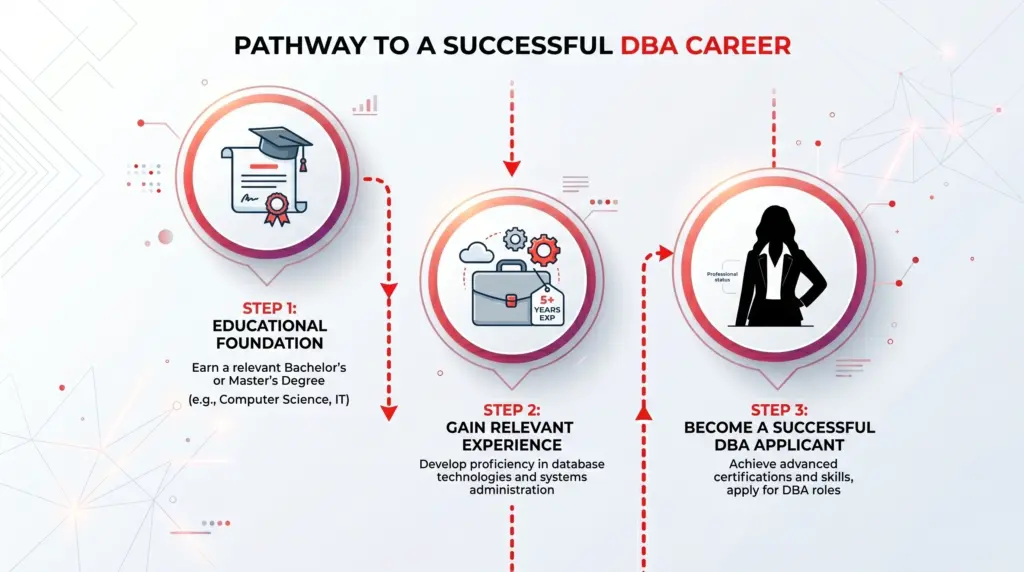
The eligibility criteria for DBA programs can vary depending on the university or institute. However, most universities follow the following common eligibility requirements:
Educational Qualification Requirements
Most DBA programs require you to have a master’s degree in a relevant field or its equivalent from a recognised university. However, some institutes also consider a bachelor's degree if you have relevant work experience.
Work Experience Requirements
Universities prefer candidates with relevant work experience. The required work experience may vary depending on the university. However, most universities require around 3 to 5 years of professional experience.
English Language Proficiency (For International Students)
For international DBA students, you may need to submit your English language proficiency test scores, such as IELTS and TOEFL, to be eligible for the program.
Is an Online DBA Recognised in India?
Yes, an Online DBA is recognised in India as a doctoral-level qualification. A DBA is not UGC-recognised like a PhD, but it is still accepted as a doctoral qualification in many industries. For online DBA programs, the university must be accredited by international recognitions to enjoy the career outcomes.
Recognition of Foreign DBA Programs
Foreign DBA programs are recognised in India if the university has international accreditations, such as AACSB, EQUIS, AMBA, AAA, EAHEA, WES, or AIU. They are considered equivalent to a PhD for corporate and professional roles.
Employer Acceptance in India
Many professionals wonder whether employers in India value an Online DBA. The good news is that corporate organisations, consulting firms, and multinational companies accept international DBA degrees. What matters most to employers is the reputation and accreditation of the university. Degrees from institutions accredited by AASAB, EQUIS, WES, and AMBA tend to carry strong value and credibility in the global market.
Who Should Pursue a DBA Degree?
A DBA program is ideal if you want to enhance your business strategy, leadership, and research skills. It is especially beneficial if you already have industry experience and want to apply research to solve real-world business challenges.
Senior Working Professionals
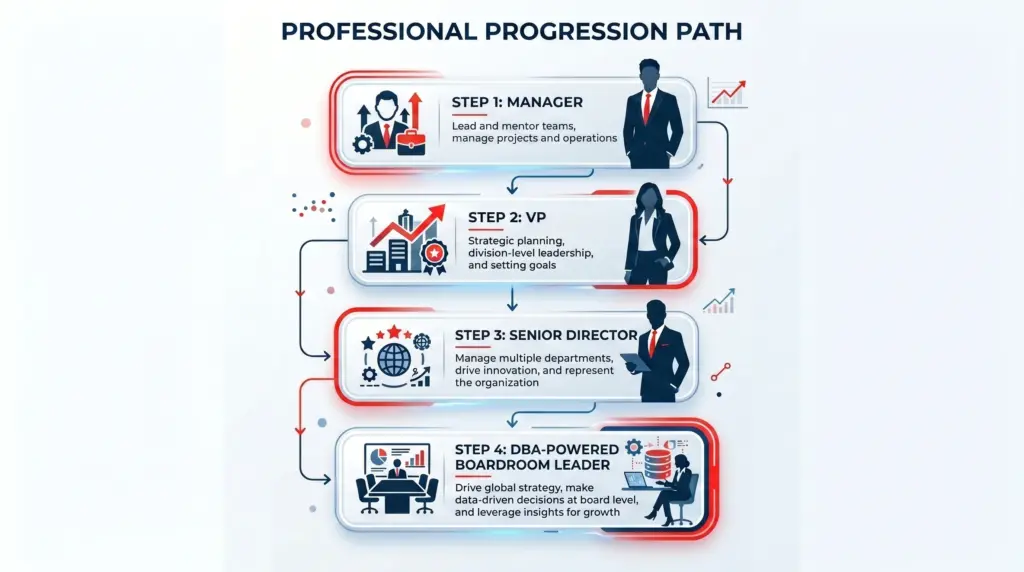
If you hold senior positions and want to advance your career, this program is ideal for you. It helps you develop stronger strategic thinking and research skills that you can apply directly to your roles. It also allows you to explore complex business problems in greater depth.
Entrepreneurs and Business Owners
If you are an entrepreneur or business owner seeking deeper insights into business strategy and management, this program is for you. It helps you analyse market trends, make better decisions, and develop innovative solutions for your business. Overall, it can also support your business's growth and sustainability.
Academicians and Researchers
If you are interested in teaching or research, you can benefit from a DBA course. The program allows you to conduct advanced research in areas such as management, leadership, and business strategy. It can also help you contribute new knowledge and insights to the academic and business communities.
CXOs and Strategic Leaders
A DBA program is well-suited for professionals looking for CXO or senior leader roles. Through research and practical learning, you can explore ways to improve organisational performance and drive innovation. The program also helps you approach complex business challenges with a more analytical and research-driven perspective.
DBA vs PhD in Management – Key Differences
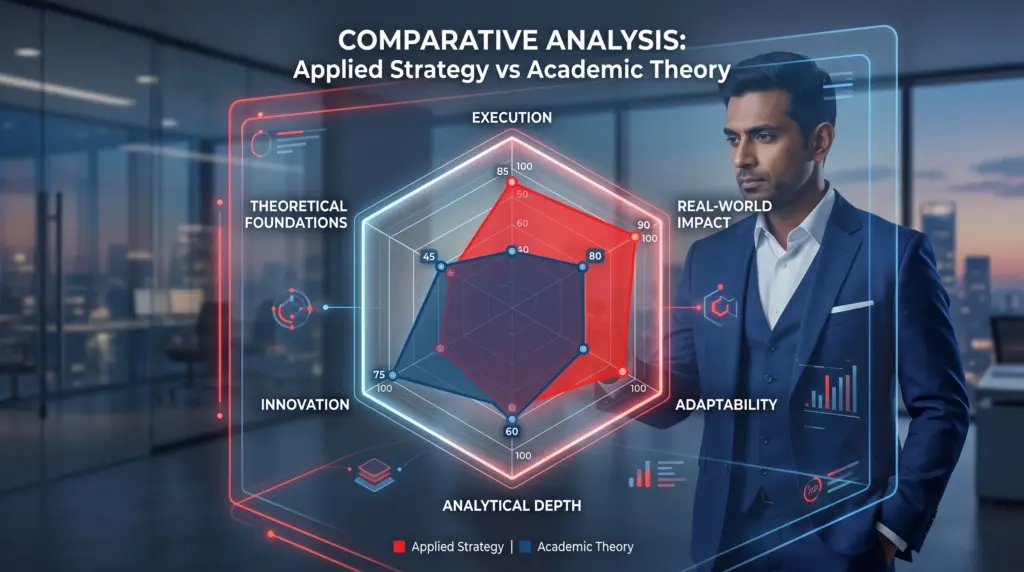
Both DBA and PhD are doctoral-level programs, but they differ in focus and career outcomes. The table below outlines the key differences between the PhD and DBA programs:
| Aspect | DBA | PhD |
| Focus | Applied business research | Theoretical academic research |
| Duration | 3 years | 4 to 6 years |
| Study Format | Online or Hybrid | Mostly full-time |
| Ideal For | Senior professionals and executives | Aspiring researchers and academics |
| Curriculum | Practical leadership & business solutions | In-depth theoretical and methodological studies |
| Work Experience Required | 3 to 5 years | Recommended but not mandatory |
| Career Path | Executive leadership, consultancy, business academia | Academic professor, research, think tanks |
| Research | Problem-solving in real-world business issues | Academic knowledge in a specialised field |
| Final Project | Problem-solving in real-world business issues | Original academic research thesis |
Career Opportunities After Completing a DBA
Completing a DBA can open the door to a wide range of career opportunities across industries. The program helps you develop advanced research, leadership, and strategic thinking skills that are highly valued in both corporate and academic settings. Depending on your interests and professional background, a DBA can help you move into senior leadership roles, consulting positions, or academic careers.
Corporate Leadership Roles
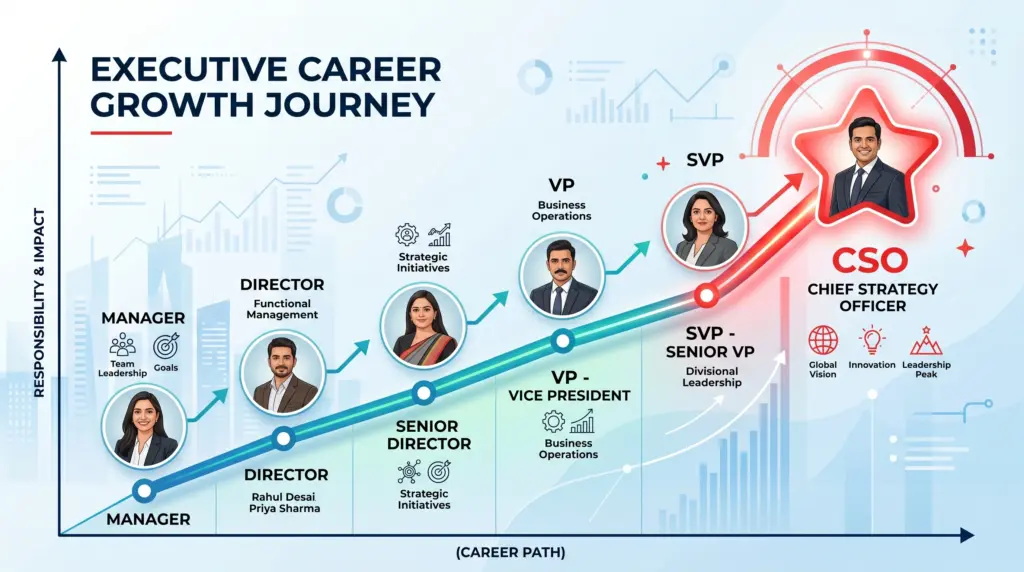
If you are aiming for senior leadership positions, a DBA can be a valuable step forward. The program strengthens your strategic thinking and decision-making skills. With these skills, you can take on roles such as director, senior manager, or executive leader, where you contribute to shaping organisational strategies, operations improvement, and driving long-term business growth.
Consulting and Advisory Careers
A DBA degree can also prepare you well for a career in consulting and advisory services. The research and analytical skills allow you to evaluate complex business problems and recommend practical solutions. As consultants or advisors, you may work with organisations to improve performance, develop strategies, and manage change.
Academic and Teaching Opportunities
If you enjoy teaching and research, a DBA can provide opportunities in academia. Many graduates are appointed in business schools and institutes as lecturers, researchers, or guest faculty members. In these roles, you can share your industry insights with students while also contributing to research that brings new insights into the field of management and business.
Entrepreneurship and Business Ownership
If you are an entrepreneur or planning to start your own business, a DBA can give you a deeper understanding of businesses. The program teaches how organizations operate and evolve in competitive markets. The program helps you analyse market trends, evaluate business strategies, and make informed decisions that support long-term business growth.
Salary After DBA in India
A Doctor of Business Administration (DBA) can lead to high-level roles in corporate leadership, consulting, academia, and entrepreneurship. Salaries usually depend on factors such as industry, job role, experience, and the reputation of the institution. With a DBA degree, you may often move into strategic or executive positions, which typically offer competitive compensation.
Average Salary Range in 2026
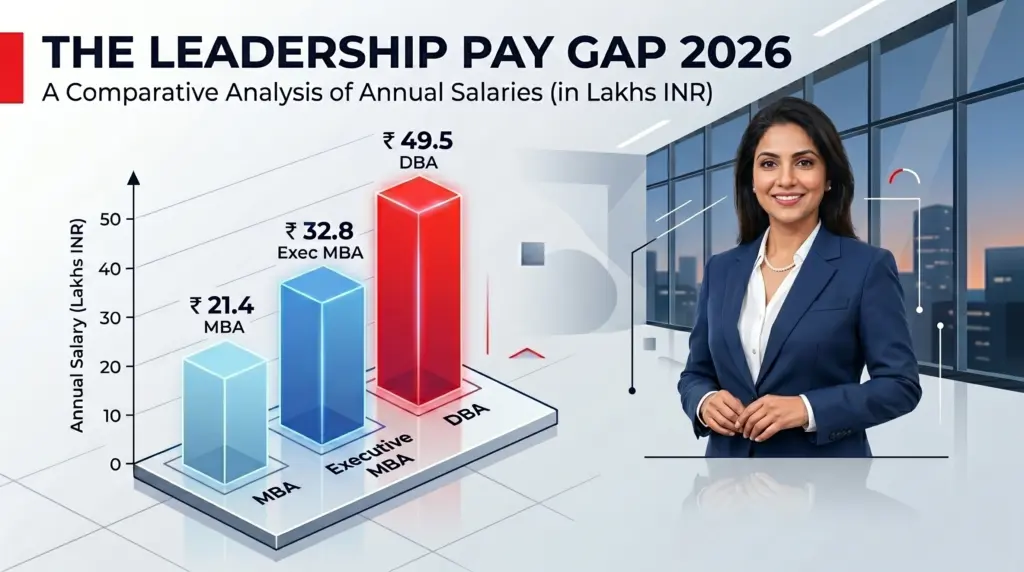
A DBA program can help you increase your earning potential while supporting long-term career growth. The skills you develop in strategic management, data analytics, organisational leadership, and financial strategy can significantly influence your salary prospects.
The table below highlights the average salary per annum for DBA scholars:
1. Mid-Level Roles - Strategic & Managerial (3–10 years of experience)
| Role | Salary Range | Key Responsibilities |
| Management Consultant | ₹8 – ₹30 LPA | Solve business problems and improve performance. |
| Strategy Manager | ₹12 – ₹25 LPA | Plan business growth and long-term strategy. |
| Business Transformation Lead | ₹11.5 – ₹47 LPA | Manage change and improve operations. |
| Department Head | ₹5 – ₹50 LPA | Lead teams and manage daily operations. |
At this level, DBA helps you move into decision-making and strategy roles.
- Senior Leadership Roles (10–20+ years of experience)
| Role | Salary Range | Key Responsibilities |
| Corporate Strategy Head | ₹35 – ₹80 LPA | Set business strategies for the businesses. |
| Chief Strategy Officer (CSO) | ₹35 LPA – ₹1 Cr+ | Lead long-term planning and growth. |
| Director / VP / Business Head | ₹20 – ₹80 LPA | Oversee business units and performance. |
| CEO / CXO Roles | ₹80 LPA – ₹2.5 Cr+ | Lead the organisation and make key decisions. |
These are the core target roles of an Online DBA—high-impact leadership positions.
3. Academic & Research Careers
| Role | Salary Range | Key Responsibilities |
| Lecturer / Faculty | ₹10 – ₹25 LPA | Teach students and deliver lectures. |
| Professor / Research Head | ₹4 – ₹36 LPA | Conduct research and publish work. |
| Dean / Director | ₹17 LPA – ₹1 Cr | Manage academic institutions. |
DBA is also strong for teaching + research careers.
4. Consulting & Independent Careers
| Role | Salary Range | Key Responsibilities |
| Business Consultant | ₹3 – ₹28 LPA | Advise companies on business problems. |
| Independent Advisor | ₹10 – ₹50 LPA+ | Provide expert guidance to organisations. |
| Entrepreneur / Founder | Variable (₹10 LPA – ₹75 LPA+) | Start and manage a business. |
Income here depends heavily on clients, reputation, and experience.
Source: Glassdoor, Ambitionbox, PayScale
Industry-Wise Salary Insights
Finance, Banking, Healthcare Management, Technology, IT Consulting, Government & nonprofit leadership are some of the high-paying industries you can work in as a DBA graduate. The table below highlights the industry-wise salary insights available to you after completing a DBA program:
| Industry | Job Roles | Average Salary Per Annum Range (In Lakhs) |
| Consulting |
|
|
| Information Technology |
|
|
| Finance and Banking |
|
|
| Academia and Education |
|
|
| Healthcare Management |
|
|
Source: Ambitionbox
Factors That Influence DBA Salary
Earning a DBA can lead to strong salary growth, but salaries depend on several factors. With a DBA, you can move into leadership roles in corporate management, consulting, or academia, where salaries are often highly competitive.
Your earning potential can vary based on the industry you work in, your level of experience, and the location of your job. According to the U.S. Bureau of Labor Statistics (BLS), professionals with doctoral degrees in business-related fields often earn high salaries, especially in executive leadership and consulting roles. Understanding these factors can help you decide whether pursuing a DBA aligns with your long-term career goals.
- Experience: If you have several years of industry experience, you are more likely to secure senior roles. This leads to higher compensation compared to professionals with limited experience.
- Industry: Your salary potential may also depend on the industry you choose. Fields such as consulting, finance, and technology often offer higher salaries, while roles in academia or research may provide comparatively moderate pay.
- Geographic Location: The location of your job can also influence your salary. Working in major business hubs or metropolitan cities may offer higher compensation due to stronger demand and higher living costs.
Conclusion
A DBA is one of the highest qualifications in business and management. This degree adds career credibility and trust to your professional identity. This is the best program for you if you are a working professional and want to upgrade your professional identity.
Unlike other traditional research-based programs, the DBA helps you in researching the significant business issues that lead to change and improvement. Whether you are a working professional seeking to upgrade your career or transitioning into a different role, this DBA degree will provide you with a strong professional status and the ability to lead businesses.
Get Clarity with Us!




Popular PG Programs
Trending UG Programs
Doctorate Programs
Executive Programs
Trending Online Universities
In Demand MBA Specializations
In Demand MCA Specializations
CollegeSathi aims to provide unbiased and precise information to aspirants, along with comparative guidance on universities and their programs. The content on the CollegeSathi website, including text, graphics, images, blogs, videos, and university logos, is meant for informational purposes only and should not be considered a substitute for official information provided by academic partners. While we make every effort to keep the information accurate and up to date, CollegeSathi does not guarantee the completeness or reliability of the content and is not responsible for any errors, omissions, or losses resulting from its use.
© CollegeSathi 2026. All Rights Reserved.